It usually starts the same way: it's past ten, you're scrolling through photos on your phone, and somewhere between the third and fourth transformation before and after you think, okay, but is that actually possible for someone like me with my teeth?
Veneers are worth it for the right person, and that person doesn't have to be famous. They tend to make the most sense when deep staining, uneven tooth sizing, or chipped edges can't be fully fixed by whitening or straightening alone. They're also permanent and a real financial commitment, which is why the decision deserves a clear-eyed conversation instead of a sales pitch.
Dr. Cho and the team at Chosen Family Dentistry, right on Rockville Pike, have that conversation all the time. Sometimes it ends with veneers. Sometimes it ends with "let's whiten first and see how you feel." Call us at (240) 482-8548 or request an appointment online.
A veneer is a thin shell of porcelain (or, in some cases, tooth-colored composite) bonded to the front of a tooth. It's a new outer surface: it changes color, shape, and edge beautifully. What it can't do is change what's happening underneath.
Fees vary considerably by practice, material, case complexity, and the number of teeth treated, so these figures are general estimates rather than a quote for treatment at Chosen Family Dentistry.
In and around Rockville, porcelain veneers commonly fall between about $1,000 and $2,500 per tooth, depending on how complex the work is, the porcelain used, and the lab doing the fabrication. Porcelain resists stain well and, cared for properly, tends to last many years.
Composite (the same material used in tooth-colored fillings) is shaped directly on the tooth and generally runs $250 to $1,500 per tooth. It costs less up front and usually needs less enamel removed, but it picks up stain more readily and doesn't hold a polish as long, so it may need refreshing sooner.
Almost nobody does one veneer in isolation, because a single new tooth surrounded by untouched ones has to match perfectly or it stands out. Most smile changes cover six to eight upper front teeth, so multiply either range by six and you can see why this is a several-thousand-dollar decision.
Because veneers are generally considered cosmetic, dental insurance often provides little or no coverage. Benefits vary by plan, so coverage should always be confirmed with your individual carrier. If part of your treatment is genuinely restorative, say a broken tooth that needs a crown, that portion may be handled differently, and we'll tell you plainly which is which. During a consultation you'll get a written treatment plan with your actual numbers on it, and we'll go over ways to spread the cost out.
One of the most useful things we can tell someone in the research phase is that veneers are sometimes not the best answer—and we're comfortable saying so.
Start with whitening. In-office and take-home whitening both work well on everyday staining from coffee, tea, red wine, and time. It costs far less, it removes nothing from your teeth, and if it gets you to a shade you like, you're done.
Moving teeth beats masking them. Invisalign changes where the teeth actually sit, which improves both how they look and how they meet when you bite. On significantly crooked teeth, veneers have to be thicker in places, so more enamel comes off. Straighten first and you often need fewer veneers, or none. Not every patient is a candidate for Invisalign, and we determine that after an examination and imaging. If braces or specialist orthodontic care would serve you better, we'll refer you to an orthodontist rather than pushing a solution that isn't the right fit.
Composite bonding may be all you need. It's done in a single visit, shaped by hand, and costs a fraction of a full veneer case.
Sometimes the plan combines all three: align first with Invisalign, whiten to match, then veneer only the two or three teeth that still don't cooperate. That usually costs less than veneering everything, and it keeps more of your own enamel. If you're not sure which path fits your teeth, schedule a consultation with Dr. Cho.
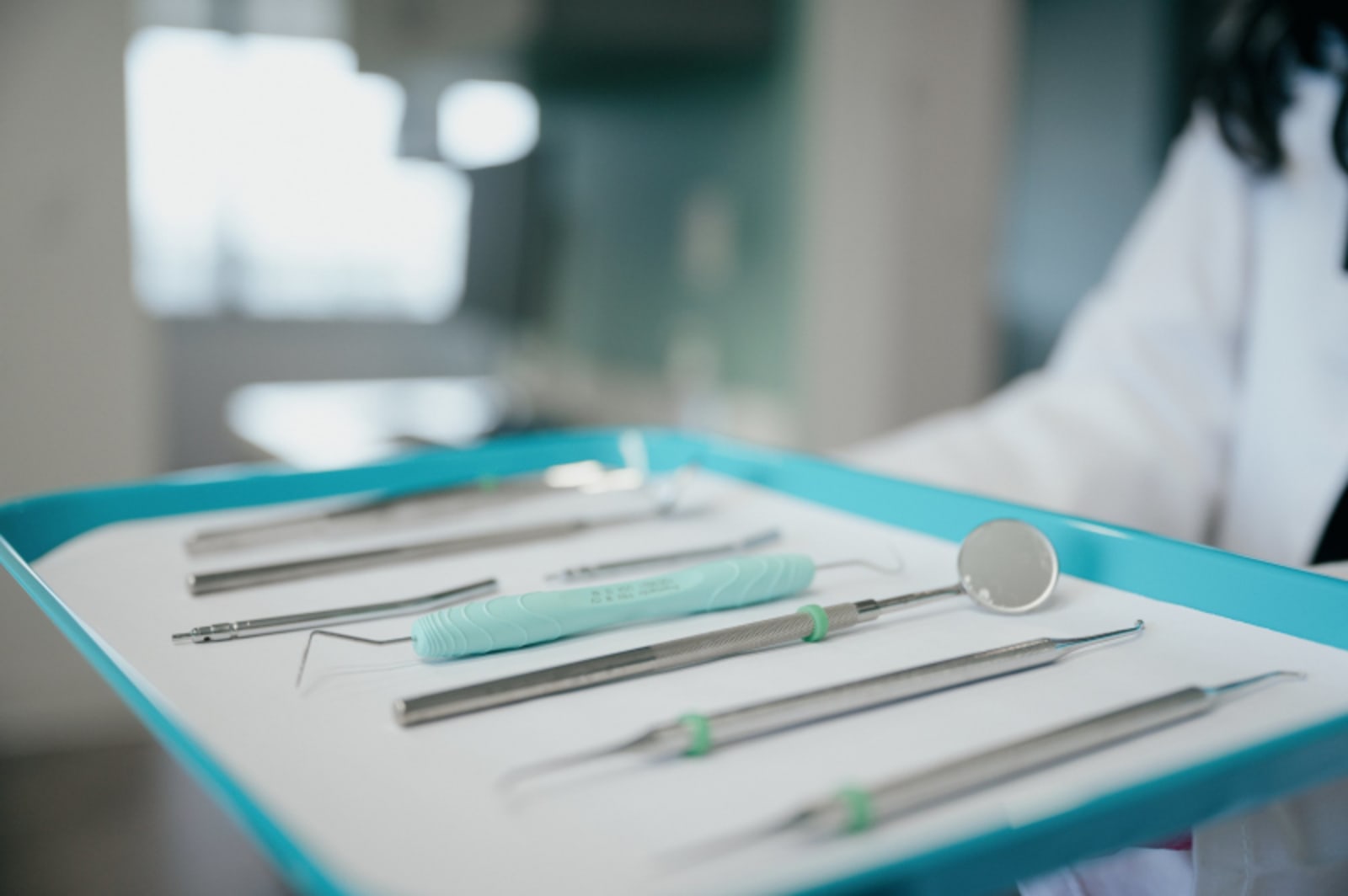
This appointment decides everything else. Tell us what bothers you, in your own words, and we'll look at the health of the teeth and gums underneath. Digital X-rays and our intraoral camera put your own teeth on a screen so you see what we see. By the end of the consultation, we can usually give you a much clearer picture of whether veneers are appropriate, what your treatment may involve, and the expected cost.
Before anything is prepared, we settle on length, width, and shade, because "whiter" means something different to everyone. Bring a photo of a smile you like if you have one; it's genuinely helpful.
For porcelain veneers, a thin layer of enamel is shaped off the front of each tooth so the veneer sits flush instead of bulky. Enamel doesn't grow back, so those teeth stay covered from then on. Records then go to the lab that fabricates your porcelain.
You wear temporary veneers while the permanent ones are made. They protect the prepared teeth and give you a preview. They're not as sturdy as finished porcelain, so we'll give you a short list of what to avoid, and if one loosens, we want to hear about it.
At the last appointment we try them in first, checking the fit, the color, and the way they look when you smile and speak, adjusting before anything is cemented. Then they're bonded permanently and the bite is refined. Most cases span a few weeks depending on lab turnaround.
Brush and floss them like your own teeth, because the gum line and the tooth behind the porcelain still need care. Keep your regular cleanings. If you clench or grind, wear the nightguard. Porcelain doesn't respond to whitening, so decide on any future whitening before the shade is locked in.

You don't need to know the answer before you call. But veneers tend to work well when:
Two things people forget to mention: nighttime grinding, and any plans for orthodontic work later. Both are much easier to account for at the start than after the porcelain is on. If grinding is part of your picture, Dr. Cho will talk with you about TMD treatment first so the porcelain isn't taking the impact. If your teeth need to move, orthodontic treatment usually comes before veneers.
If you've been away from the dentist for a while, you won't get a lecture here. Wanting your smile to look better is a legitimate reason to walk in.
Porcelain veneers commonly last a decade or more with good hygiene, regular cleanings, and a nightguard if you grind. Composite typically needs attention sooner. Habits matter more than material: chewing ice or opening packaging with your teeth shortens the life of anything we bond on.
They look how they're designed to look. Natural-looking porcelain has slight variation in translucency and shape rather than eight identical white rectangles. Shade and proportion get chosen with you, and you see the try-in before anything is cemented permanently. If you're weighing veneers against other cosmetic dentistry options, Dr. Cho will walk you through what each one can and can't do.
Local anesthetic is typically used during tooth preparation to help keep you comfortable during the procedure. Some patients experience temporary temperature sensitivity afterward. If dental anxiety is what's kept you away, nitrous oxide and oral sedation are both available.
Sometimes, yes, particularly when a single tooth is discolored or chipped and its neighbors are a good match. The challenge is blending one new porcelain surface with the natural teeth beside it. Whether one veneer works or two or three gives a better result depends on how close the neighboring teeth already are in color and shape.
Most people reading a guide like this aren't ready to book, and they shouldn't be. You're weighing what veneers would cost, what they'd actually change, and whether whitening or Invisalign gets you close enough for less. The answer may well be "not right now."
When you want an opinion on your own teeth, the consultation is where the guesswork ends: Dr. Cho examines the teeth and gums underneath, shows you what she sees on the intraoral camera, and you leave with a written treatment plan listing the teeth involved and the real cost for your case, including when the recommendation is something simpler than veneers. Whether Invisalign is a fit for you depends on your individual situation and is something Dr. Cho can assess after examining your teeth and gums and reviewing any necessary imaging. Healthy teeth and gums are a starting point for that treatment, and if there are concerns to work through first, or if your case is one where an orthodontic specialist would serve you better, she will say so directly.
We're at 12250 Rockville Pike, Suite 250. We also offer early-morning appointment times on select days if your schedule is tight. Reach out by calling (240) 482-8548.
We can’t wait to meet you.
Call 240-482-8548 or request an appointment online to set up your first visit. We’ll be in touch soon.

